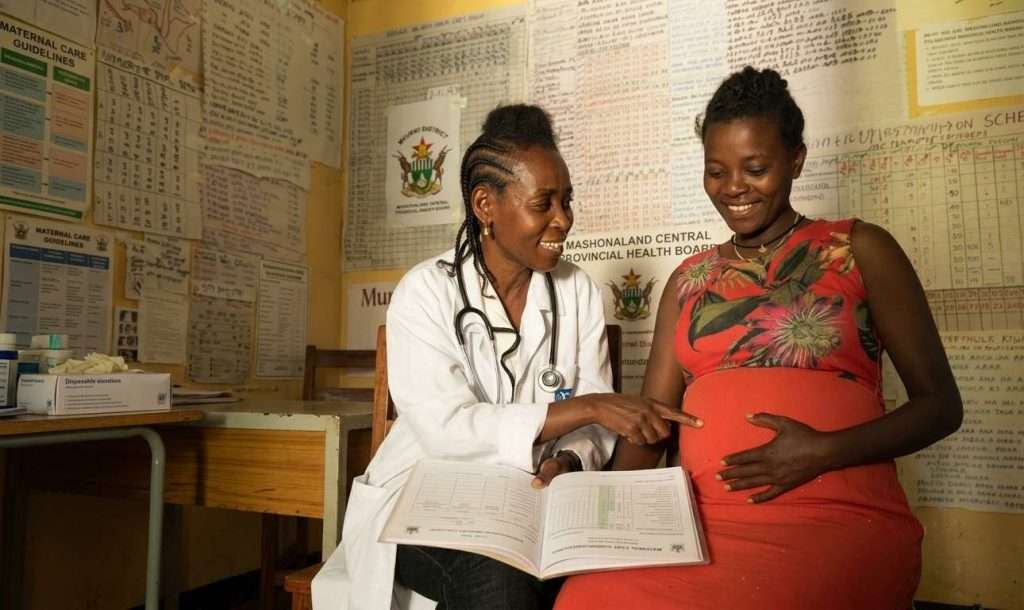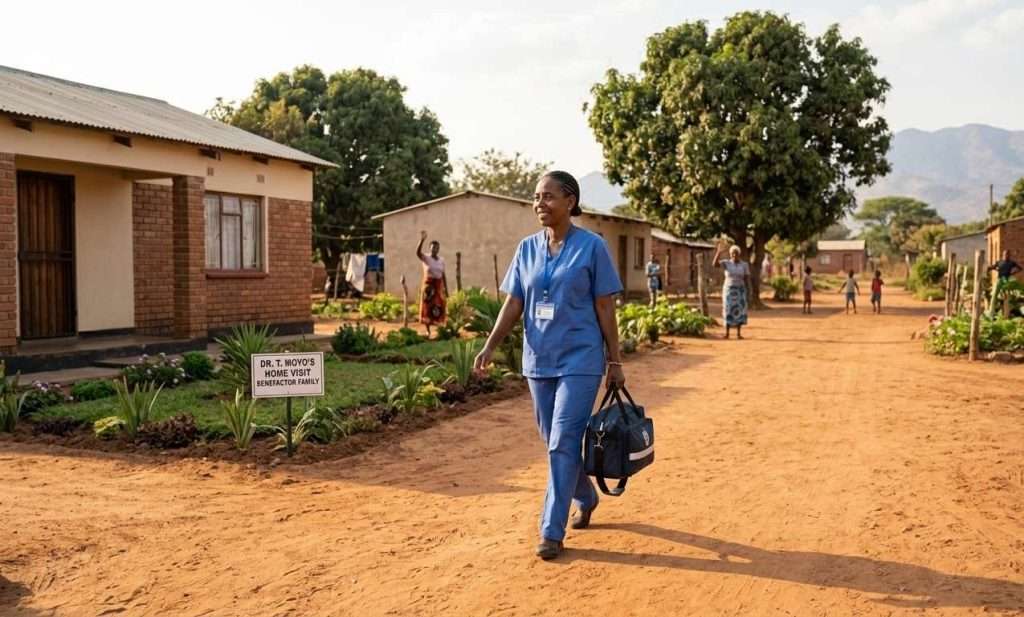
Community nurses are becoming one of the most important pillars of modern healthcare, especially in regions where access to clinics is limited. In Zimbabwe, their role goes far beyond basic treatment—they are educators, caregivers, and trusted health advisors within the communities they serve.
Unlike hospital-based care, community nursing focuses on people’s everyday environments. By visiting households, nurses gain a deeper understanding of living conditions, nutrition, hygiene practices, and other factors that directly affect health. This allows them to provide more practical and personalized care.
One of their most valuable contributions is early detection. Through routine visits and screenings, community nurses can identify warning signs of chronic conditions such as hypertension, diabetes, and maternal complications. Addressing these issues early prevents emergencies and reduces long-term health risks.
Community nurses also play a key role in education. They help families understand how to prevent illness, manage existing conditions, and make healthier lifestyle choices. This knowledge has a lasting impact, improving health outcomes across entire households.
Trust is another critical factor. Because nurses interact regularly with families, they build strong relationships that encourage openness and consistency in care. Patients are more likely to follow medical advice when it comes from someone they know and trust.
In addition, community nurses help bridge the gap between households and formal healthcare systems. When necessary, they refer patients to clinics or hospitals, ensuring that more serious conditions receive the appropriate level of care.
By combining medical expertise with community engagement, nurses are helping reshape healthcare into something more accessible, preventive, and sustainable.