For many Zimbabwean households, accessing healthcare is not just about availability—it is about distance, cost, and time. Clinics are often overcrowded, understaffed, and located far from where people live. As a result, families delay seeking care, allowing manageable conditions to become serious health risks.
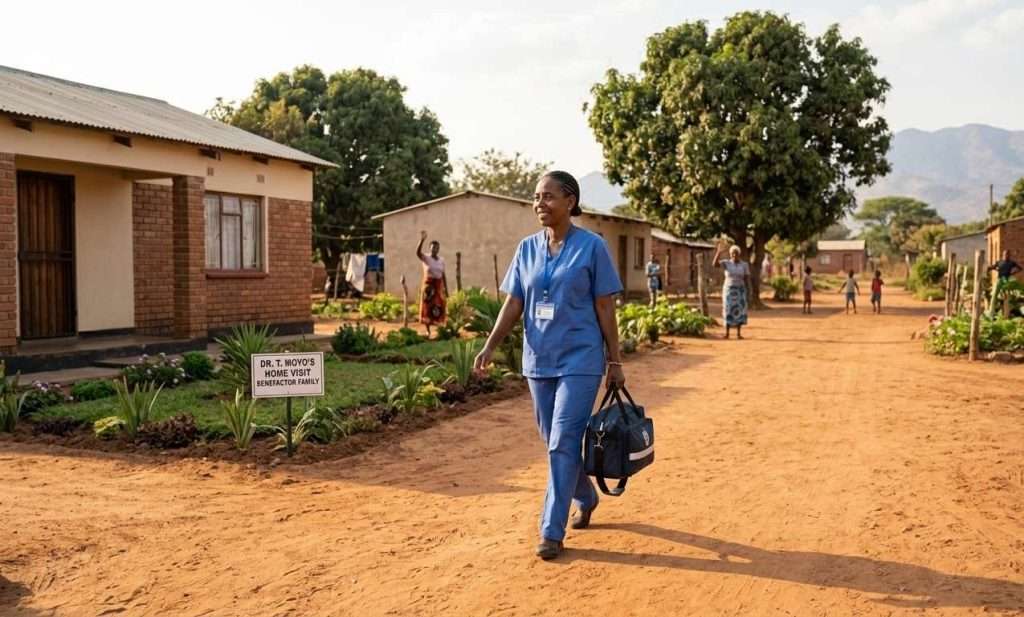
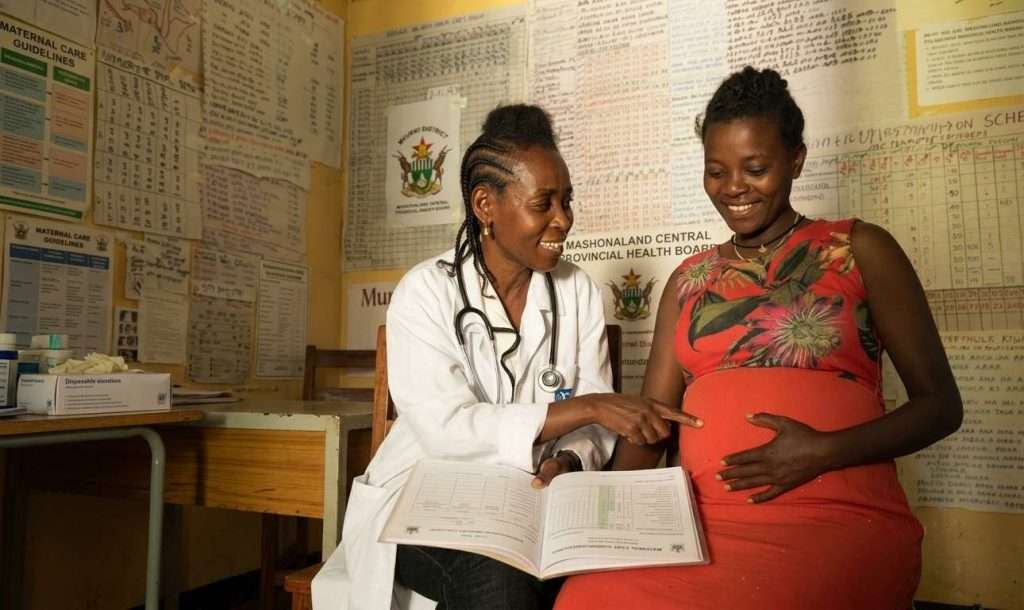
A doorstep healthcare model changes this completely. Instead of requiring patients to travel long distances, trained nurses bring essential services directly into communities. This includes screenings, basic treatment, maternal care, and health education—all delivered within the comfort of home.
This approach improves access immediately. Families no longer need to spend money on transport or wait in long queues. More importantly, it encourages early engagement with healthcare. When services are convenient, people are more likely to participate in routine checkups and follow medical advice consistently.
Another major advantage is trust. Community-based care allows healthcare providers to build real relationships with families. Nurses understand the environment, lifestyle, and challenges patients face, enabling more personalized and effective care.
Efficiency also improves. By handling basic and preventive care at household level, the burden on clinics is reduced. Health facilities can then focus on more critical and complex cases, improving overall system performance.
Technology further strengthens this model. Simple tools like WhatsApp enable follow-ups, reminders, and continuous communication, ensuring patients remain supported between visits. This creates a healthcare system that is not only accessible, but also connected and responsive.
Doorstep healthcare is not just convenient—it is transformative. It redefines how care is delivered, making it proactive, community-centered, and sustainable for the long term.