In many parts of Zimbabwe, healthcare is often reactive—people seek help only when symptoms become severe. This approach places pressure on already overburdened clinics and leads to avoidable complications. Preventive healthcare offers a more effective path: addressing health issues early before they escalate into emergencies.
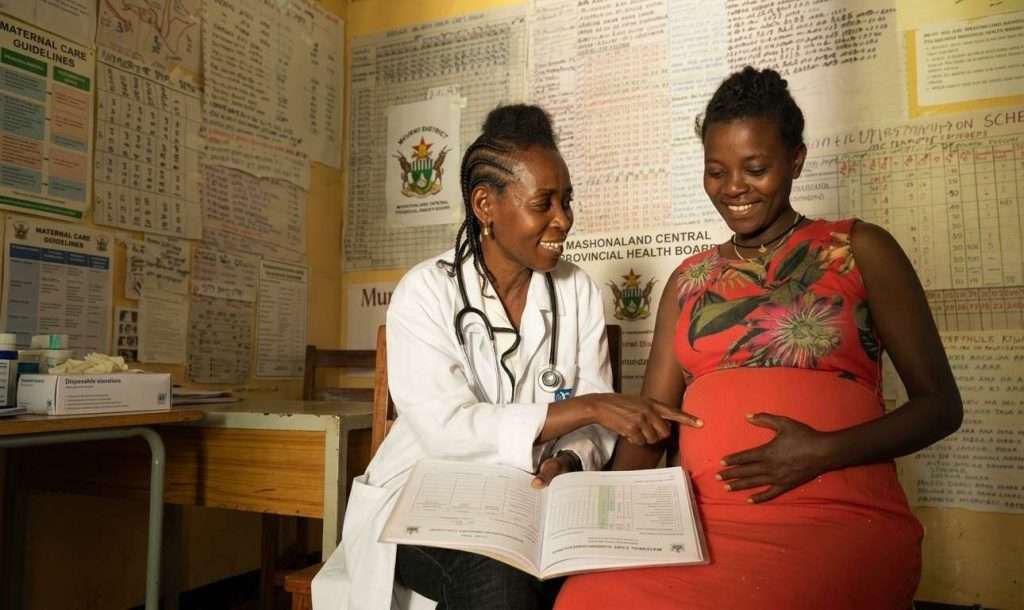
Preventive care focuses on routine screenings, health education, and consistent monitoring. Simple checks like blood pressure and glucose testing can identify conditions such as hypertension and diabetes long before they become life-threatening. Early detection not only saves lives but also reduces the cost of treatment for families.
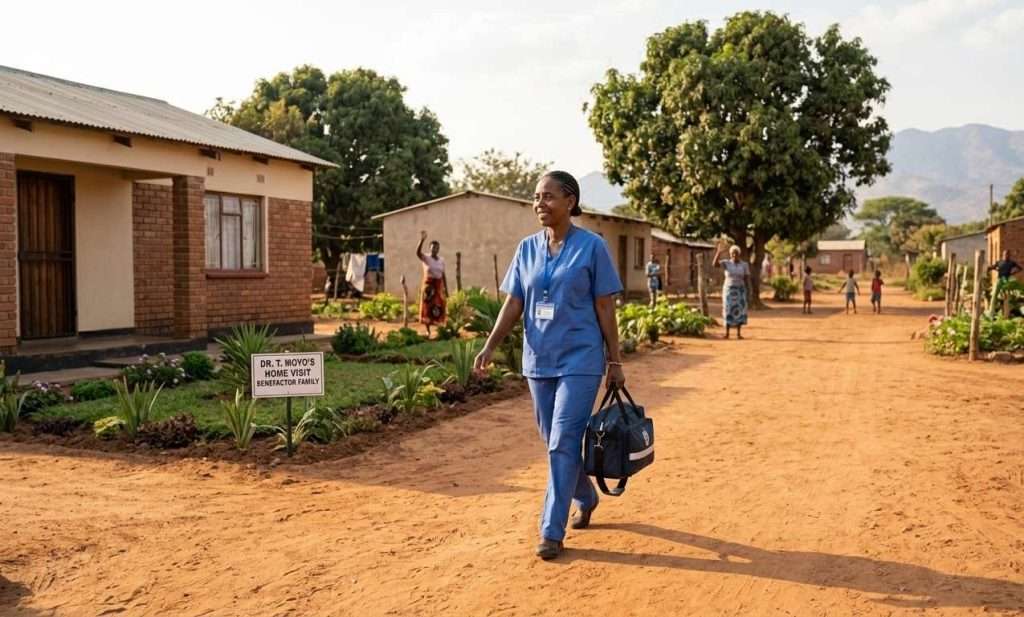
One of the biggest barriers to preventive care is access. Many households are located far from health facilities, and transport costs make regular visits difficult. As a result, routine checkups are often neglected. Bringing healthcare directly into communities changes this dynamic, making it easier for families to receive consistent care without disruption.
Education also plays a critical role. When people understand how lifestyle, nutrition, and hygiene affect their health, they are better equipped to prevent illness. Community-based education helps shift healthcare from treatment to prevention, empowering individuals to take control of their wellbeing.
Another key factor is continuity. Healthcare should not end after a single visit. Follow-ups, reminders, and ongoing support ensure that patients stay on track with treatment and lifestyle changes. Simple digital tools can help maintain this connection between healthcare providers and patients.
Preventive healthcare is not just a medical strategy—it is a community investment. Healthier families mean stronger communities, improved productivity, and reduced strain on public health systems.
By prioritizing prevention, communities can move toward a future where healthcare is not only accessible, but proactive, consistent, and sustainable.